


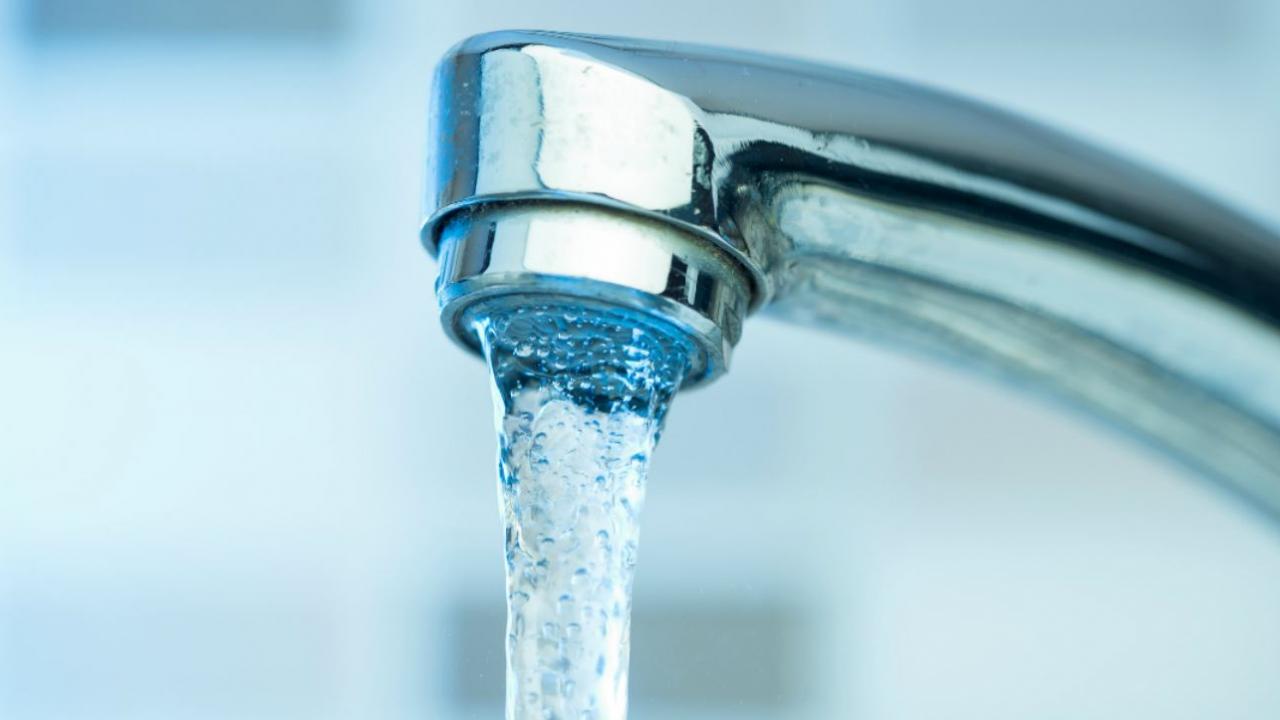
Saving water at home does not require major lifestyle changes. Often, it starts with noticing where water is being used unnecessarily and making a few simple adjustments.
Leaving the faucet running, taking long showers, ignoring small leaks, or watering plants inefficiently may seem minor. But because these habits happen every day, small improvements can make a meaningful difference over time.
If you want to save water at home, these five practical habits are a simple place to start. They can also support a broader zero-waste lifestyle focused on using everyday resources more responsibly.
1. Turn Off the Faucet When You Are Not Using It
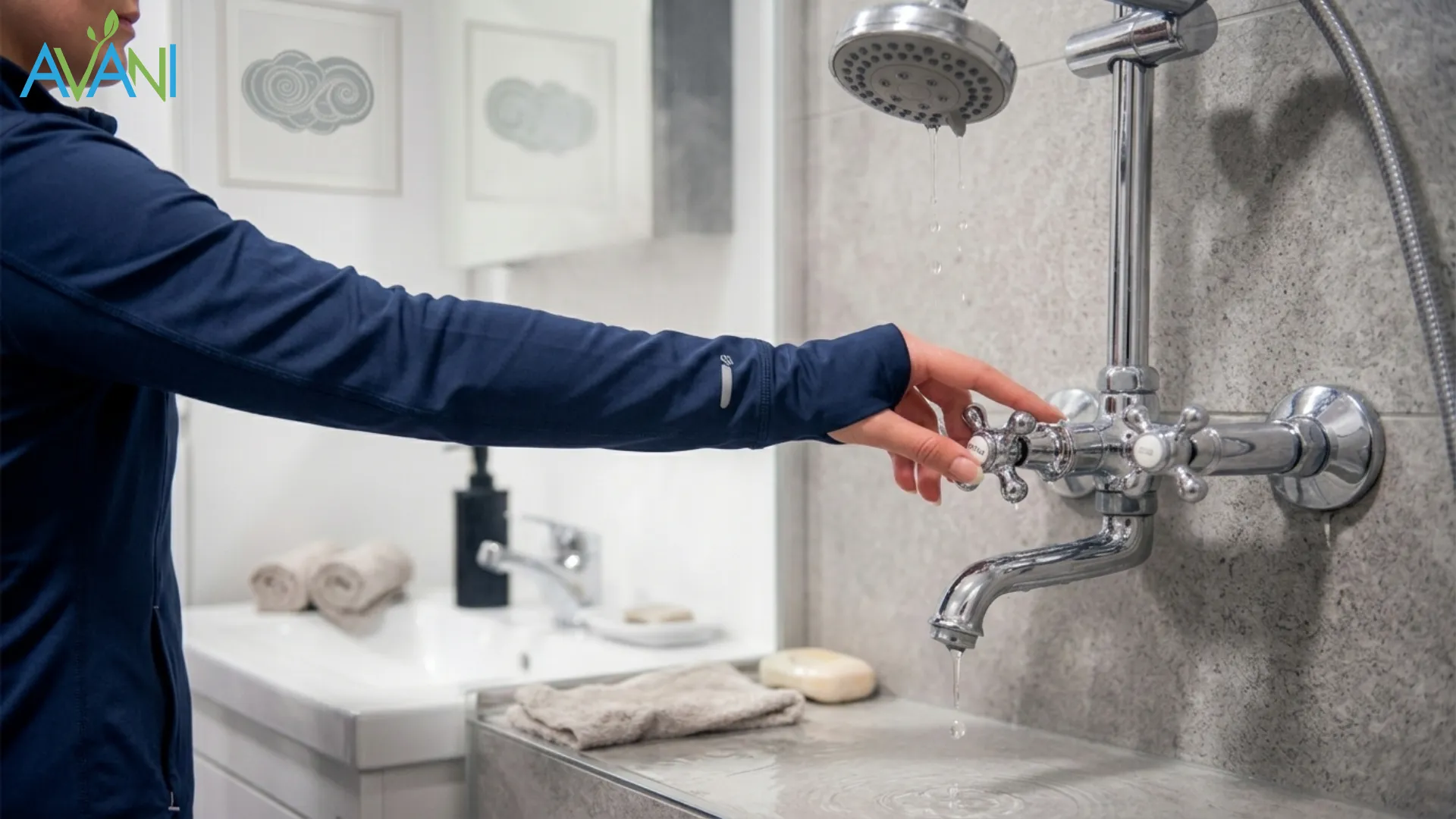
One of the easiest ways to reduce water waste is to stop letting the faucet run when you do not need it.
While brushing your teeth, washing your face, applying soap, or scrubbing dishes, turn the water off and switch it back on when it is time to rinse.
Pay Attention to Dripping Faucets
Before leaving the sink, make sure the faucet is completely closed. If it continues to drip, a washer, seal, or connection may need attention.
Small leaks are easy to overlook, but they can continue wasting water until they are repaired.
2. Make Your Showers a Little Shorter to Save Water at Home
You do not have to rush through your shower to use less water.
Try shortening your shower by a few minutes or turning off the water while shampooing or applying soap. The goal is simple: use the water you need without leaving it running longer than necessary.
Choose a Water-Efficient Showerhead
If you are planning to replace your showerhead, consider a water-efficient model. These fixtures are designed to reduce water flow while still providing a comfortable shower experience.
3. Grow Plants That Suit Your Local Climate
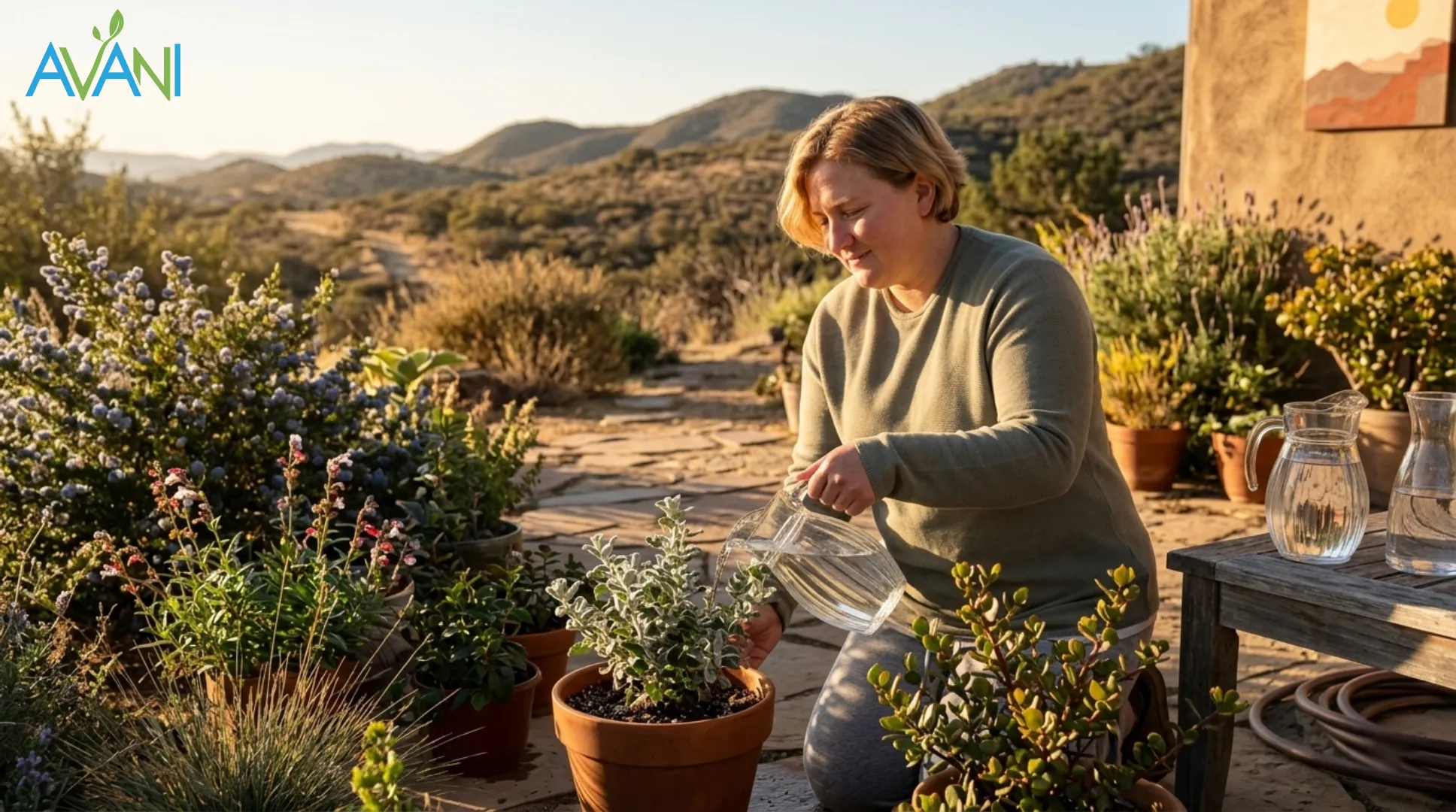
Your garden can also affect how much water your household uses.
Choose plants that suit your local climate, soil, sunlight, and rainfall. Native and climate-appropriate plants can be good options because, once established, many need less supplemental watering than plants with higher water requirements.
This does not mean drought-tolerant plants never need water. Newly planted vegetation still needs proper care while its roots become established.
Group Plants With Similar Water Needs
Keeping plants with similar watering requirements together makes it easier to give each area the right amount of water without overwatering.
Help Your Soil Hold Moisture Longer
Mulch can help slow moisture loss from the soil and protect the surface from direct heat.
Organic household waste can also be managed more thoughtfully. Avani shares a practical guide to the Takakura home composting method for turning suitable organic waste into compost.
4. Find and Fix Water Leaks Early to Save Water at Home
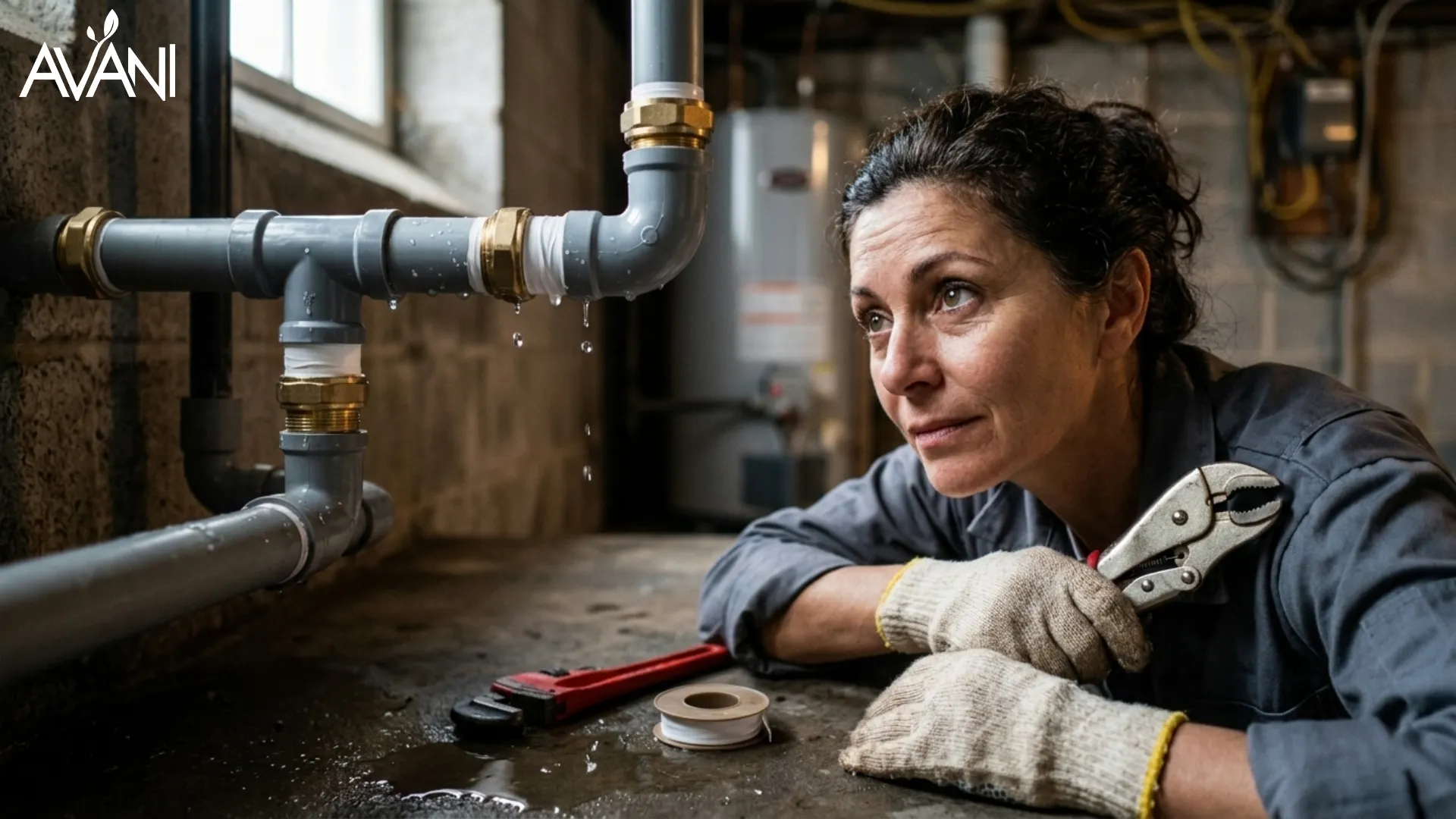
Leaks can occur in faucets, toilets, pipes, plumbing connections, outdoor taps, hoses, and irrigation systems.
Make basic plumbing checks part of regular home maintenance instead of waiting until a small problem becomes serious.
Common Signs of a Water Leak
Look out for:
- Faucets or showerheads that continue dripping
- Toilets that keep running after flushing
- Damp areas under sinks
- Loose or wet pipe connections
- Outdoor taps or hose connections that leak
- Unexplained moisture around plumbing fixtures
- An unusual increase in household water use
Do Not Ignore Small Leaks
A minor leak may not disrupt your routine, but delaying the repair can lead to continuous water waste.
If you cannot identify the source or the repair involves more complex plumbing, consider asking a qualified professional for help.
5. Water Your Garden More Thoughtfully
Using less water in the garden is not only about how often you water. When and where you water matters too.
Whenever possible, water outdoor plants early in the morning, when temperatures are generally cooler and less water is lost through evaporation.
Avoid watering automatically just because it is part of your usual schedule. Rainfall, soil type, temperature, plant variety, and local climate all affect how much water your garden actually needs.
Water the Roots, Not Everything Around Them
Aim water toward the soil around the base of each plant instead of spraying a large surrounding area.
This directs moisture closer to the roots and reduces water that lands on pathways or other surfaces. Drip irrigation or soaker hoses can also make watering more targeted.
Check the Soil Before Watering Again
A fixed schedule can be convenient, but plants do not always need water at exactly the same interval.
Check the soil first. If it still contains enough moisture, watering again may be unnecessary.
How to Make Water-Saving Habits Easier to Maintain
You do not need to change everything at once.
Start with one simple habit, such as turning off the faucet while brushing your teeth or checking your kitchen and bathroom for leaks. Once that feels normal, add another.
You can also:
- Remind family members to turn off unused faucets
- Check visible plumbing connections regularly
- Pay attention to unusual changes in water use
- Choose water-efficient fixtures when replacements are needed
- Check soil moisture before watering plants
- Adjust garden watering based on weather and rainfall
The most useful water-saving habits are the ones your household can maintain consistently.
Frequently Asked Questions About Saving Water at Home
What Is the Easiest Way to Save Water at Home?
Start by reducing unnecessary water use in your daily routine. Turn off the faucet while brushing your teeth or applying soap, take slightly shorter showers, and repair visible leaks as soon as you notice them.
These small actions are easy to adopt and do not require major changes to your home or lifestyle.
What Is the Best Time to Water Plants?
Early morning is generally a good time to water outdoor plants because temperatures are cooler and less water is lost through evaporation.
However, the ideal watering schedule depends on your local climate, rainfall, soil conditions, and plant type. Check the soil before watering instead of relying only on a fixed schedule.
How Can I Reduce Water Use at Home Every Day?
Focus on habits you repeat regularly. Turn off unused faucets, shorten shower time, fix leaks early, choose water-efficient fixtures when replacements are needed, and avoid watering plants unless the soil actually needs moisture.
Consistent everyday habits are often more effective than making one large change that is difficult to maintain.
Save Water at Home Starts With Everyday Choices
Learning how to save water at home does not require an extreme lifestyle change.
It starts with simple decisions: closing the faucet when it is not needed, spending less time under running water, fixing leaks early, choosing plants suited to local conditions, and watering your garden based on what it actually needs.
Choose one practical improvement, make it part of your routine, and build from there.
Make Sustainable Choices Part of Everyday Living

Saving water is one way to use natural resources more thoughtfully. Sustainable living also includes how we manage waste and choose everyday products.
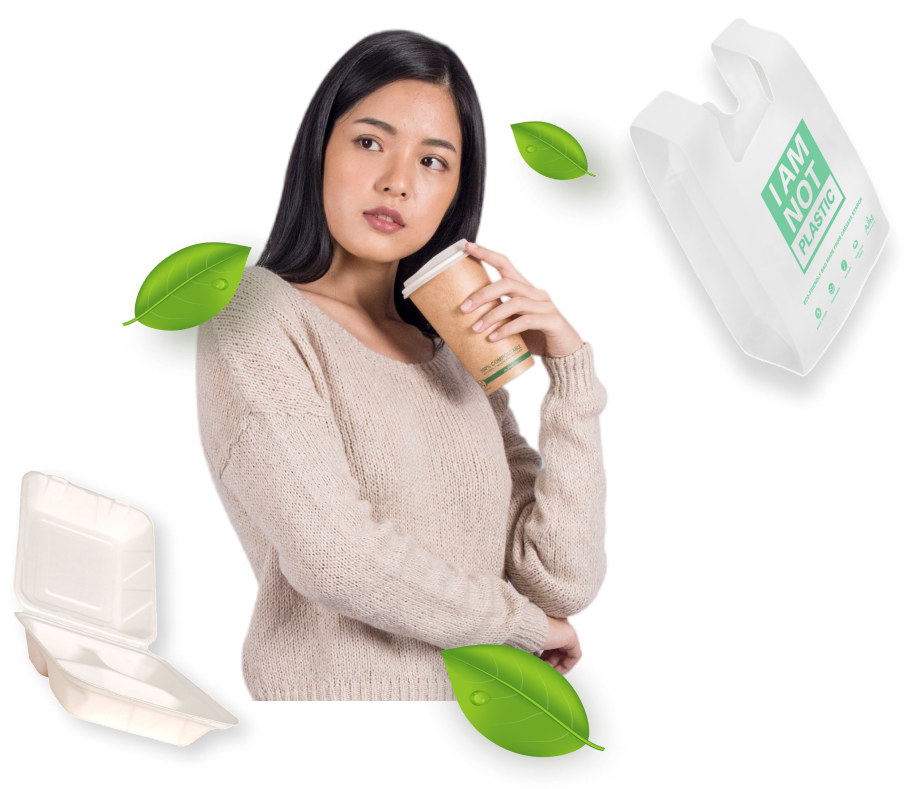
For times when reusable drinkware is not practical, you can explore Avani Eco’s PLA Cup + Lid 12 Oz, made from PLA derived from renewable resources and designed as a compostable alternative to conventional plastic cups.
Small changes do not need to happen all at once. What matters is choosing practical habits and solutions that can become part of everyday life.