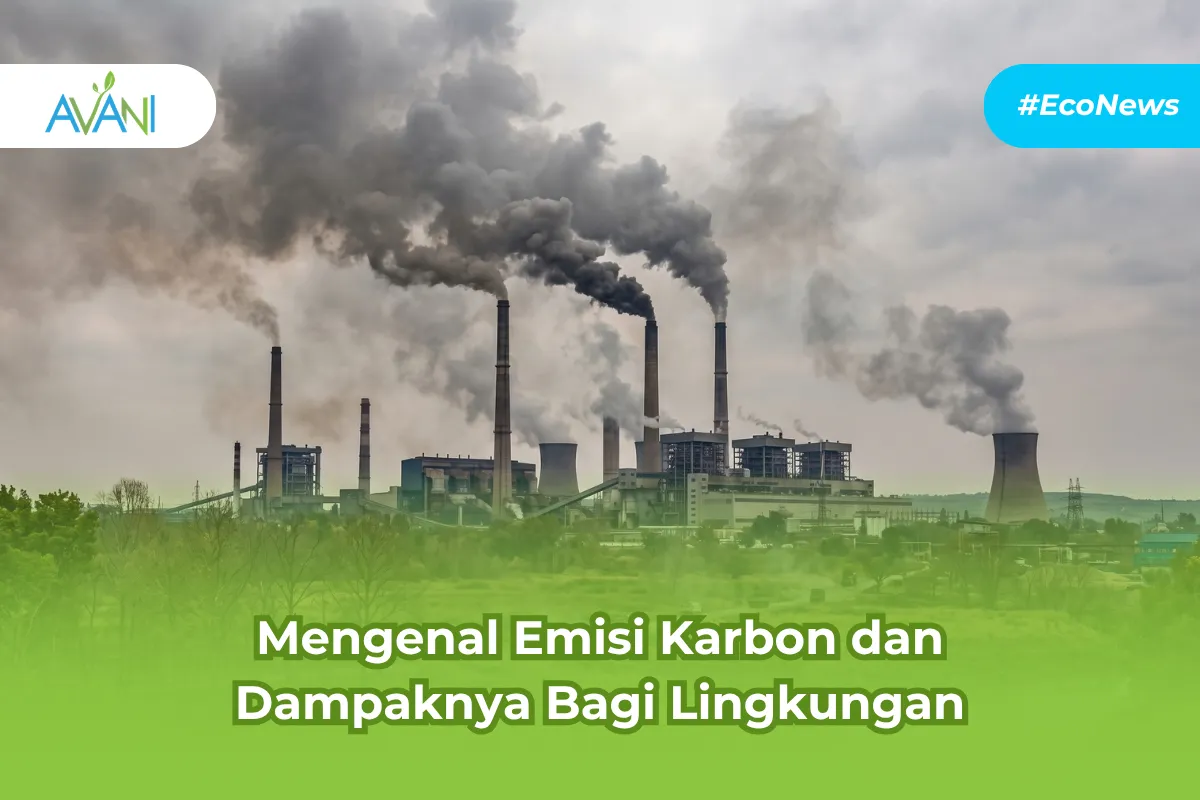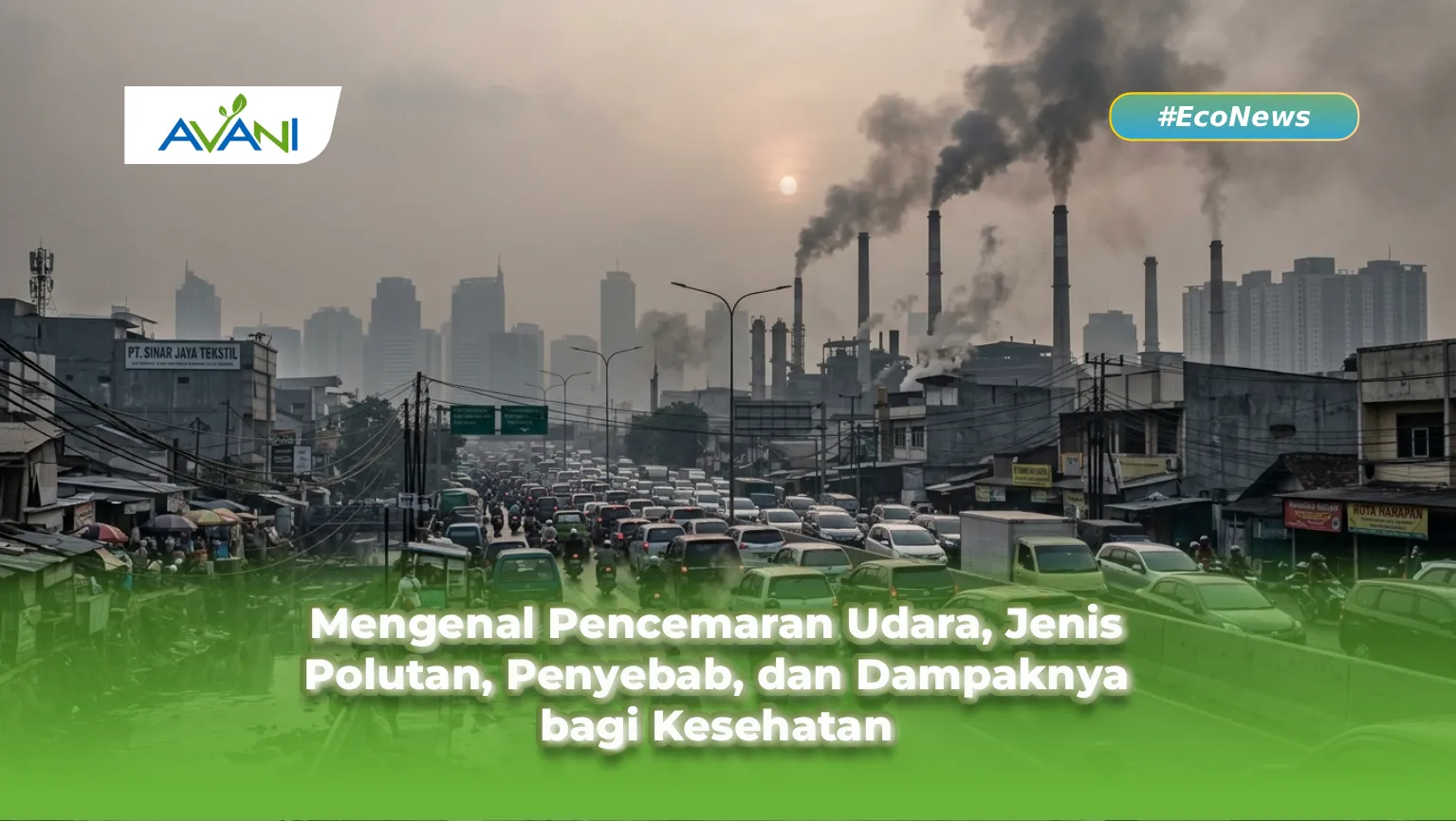






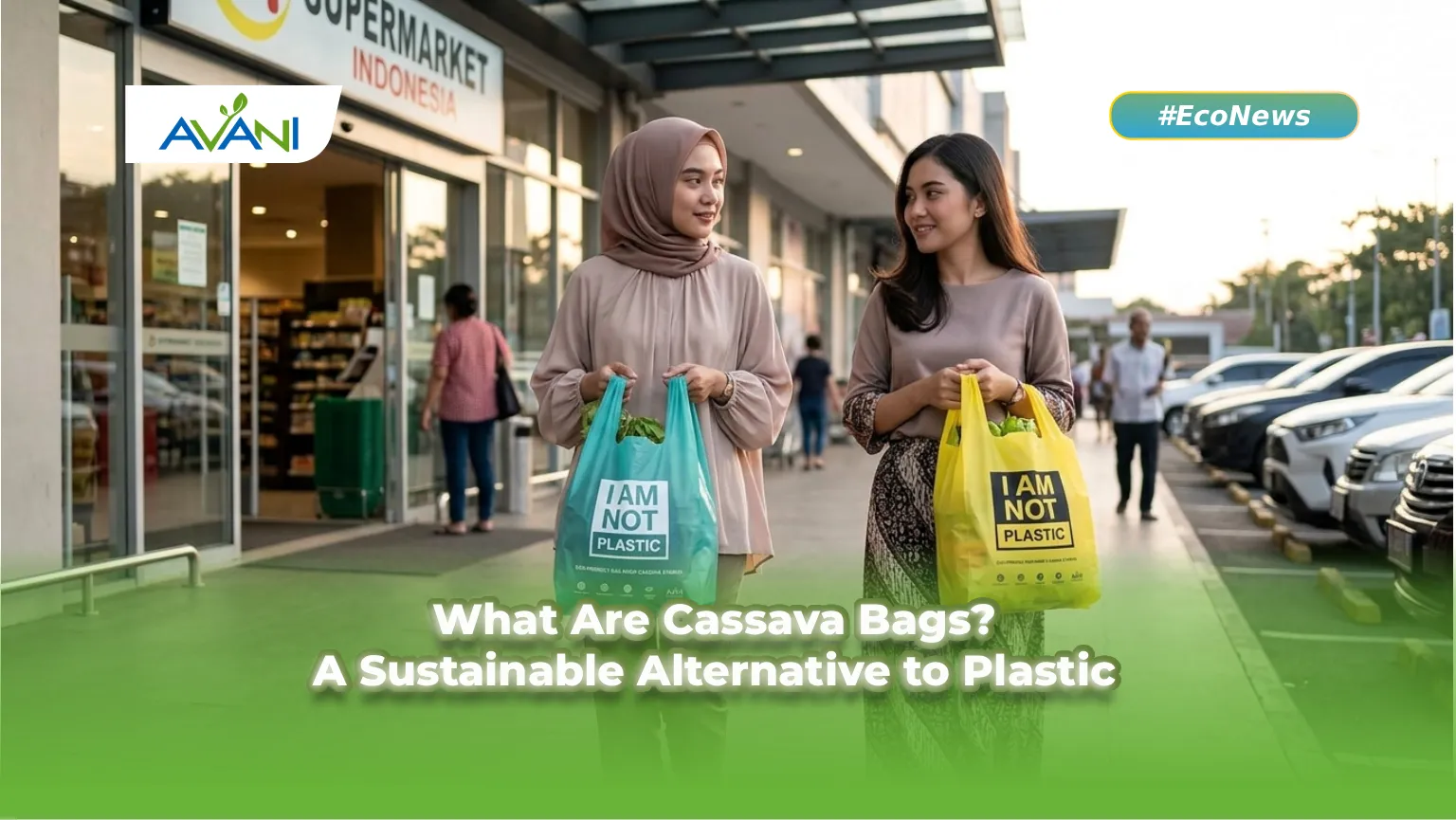
Avani Buddies, one of the environmental plastic pollution is one of the plastic pollution. Notably, millions of plastic bags are used only once every day, eventually polluting everything from the land to seas.
Furthermore, plastic waste is not easily biodegradable, and its processing can produce toxic and carcinogenic substances. Currently, plastic use continues to increase year after year. In 2025, Indonesia’s national plastic waste generation reached 12.4 million tons annually, an increase of 14% compared to 2020.
As a result, we require inventions that are both useful and sustainable like a zero waste lifestyle. The usage of cassava-based bags, which provide a solution and are currently receiving a lot of attention, is one example.
What Are Cassava Bags Made From?
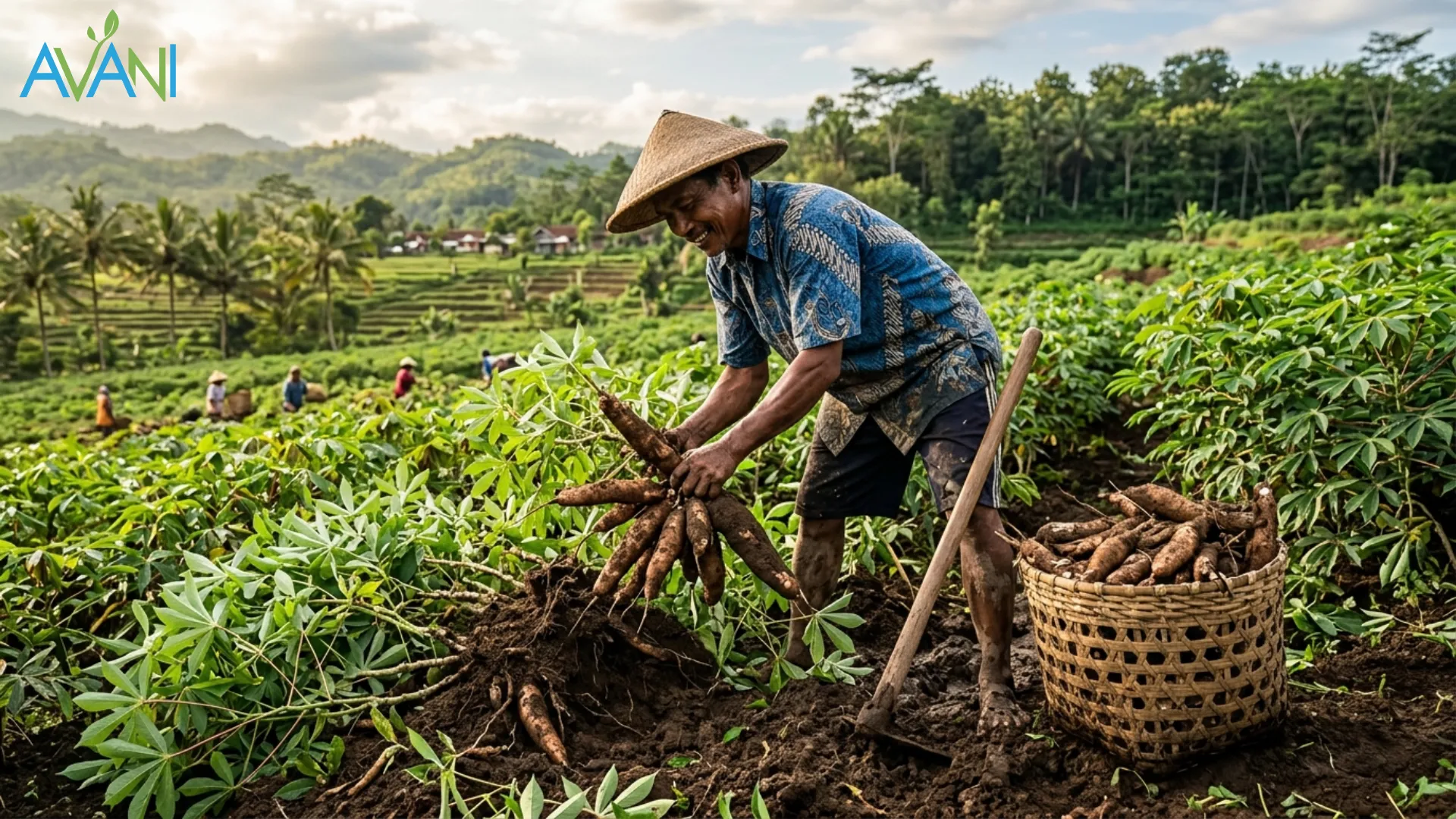
Avani Buddies, biomass from cassava is used as a basic material in cassava bags, a sort of bio-based packaging. The starch found in cassava may be processed into a film material, which is then combined with additional substances to increase the flexibility and durability of the bags.
Naturally, cassava bags are an alternative to plastic bags made from cassava starch because this natural material is readily available in Indonesia. On the other hand, cassava bags can naturally break down in a comparatively short amount of time, while traditional plastic bags take hundreds of years to do so.
How are Cassava Bags Eco-Friendly?
Avani Buddies, cassava bags can decompose in about 180 days when exposed to water or soil. In contrast, conventional plastic takes hundreds of years to break down. Furthermore, when dissolved in hot water at 80 degrees Celsius or above, cassava bags leave no trace. It turns out that conventional plastic is hazardous and causes negative effects due to the presence of harmful microplastics.
Furthermore, cassava is a crop that is simple to grow in Indonesia and doesn’t require a lot of fertilizer or water. Utilizing cassava starch as a raw material for eco-friendly plastic certainly contributes to improving the livelihoods of local farmers.
Key Benefits of Cassava-Based Plastic Bags
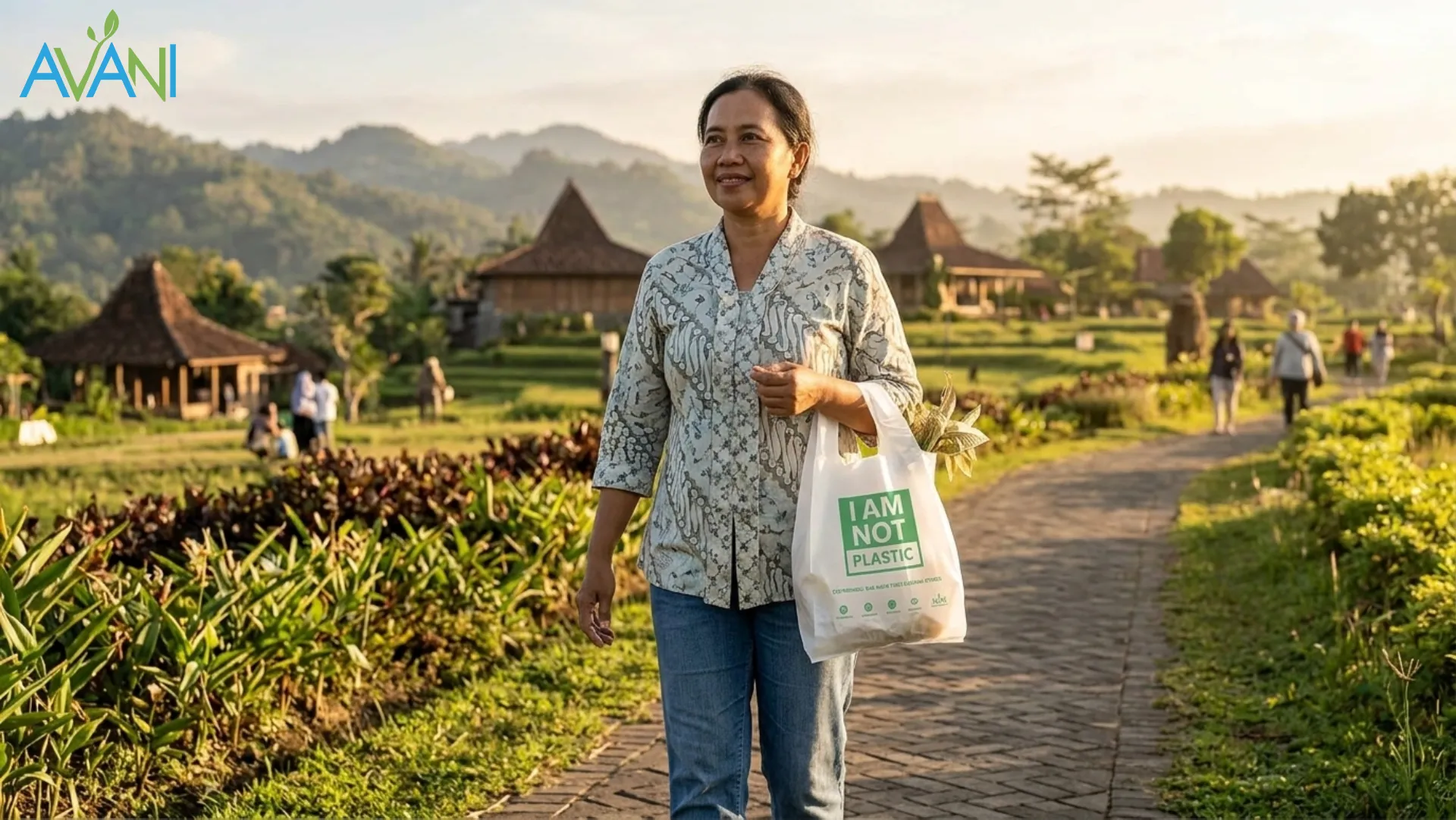
Avani Buddies, these products offer several environmental advantages. In addition, this can be an effective solution to the global plastic waste problem. Here are some key benefits to consider:
1. Designed to Biodegrade Easily
Unmanaged plastic waste typically ends up buried in the ground or washing into the ocean, thereby damaging ecosystems. On the other hand, when buried in the ground, cassava sacks break down quickly. In actuality, cassava sacks break down completely in the soil in around 180 days.
2. Devoid of Dangerous Materials
Most plastics on the market are made from fossil fuels that contain harmful substances and cause environmental pollution. In contrast, these product are constructed from organic components such as cassava starch, vegetable oil derivatives, and biodegradable polymers. Naturally, these materials are better for the environment.
3. Boosts Cassava Farmers’ Value
Additionally, employing cassava as a raw material can boost cassava production and sustain the lifestyles of Indonesian cassava farmers. Therefore, as the usage of these substitutes spreads, there may be prospects for cassava production.
4. Durable and Water-Resistant
The material combines plant-based components with strength, flexibility, and liquid resistance. Ideal for groceries, takeout meals, and everyday use.
Advantages of Cassava Bags Compared to Conventional Plastic
Avani Buddies, the differences extend beyond their composition and rate of degradation. The table below highlights some of the key differences:
| Aspect | Cassava Bags | Conventional Plastic Bags |
| Primary Feedstock | Cassava starch plus other formulation ingredients. | Usually fossil-derived polymers. |
| Biodegradability | Biodegradable and compostable in months. | Not easily biodegradable. |
| Compostability | Possible when designed, tested, and certified. | Generally not compostable. |
| Sustainability claim | Must be verified product by product. | Waste persistence raises environmental concerns. |
Cassava Bags for a More Sustainable Option
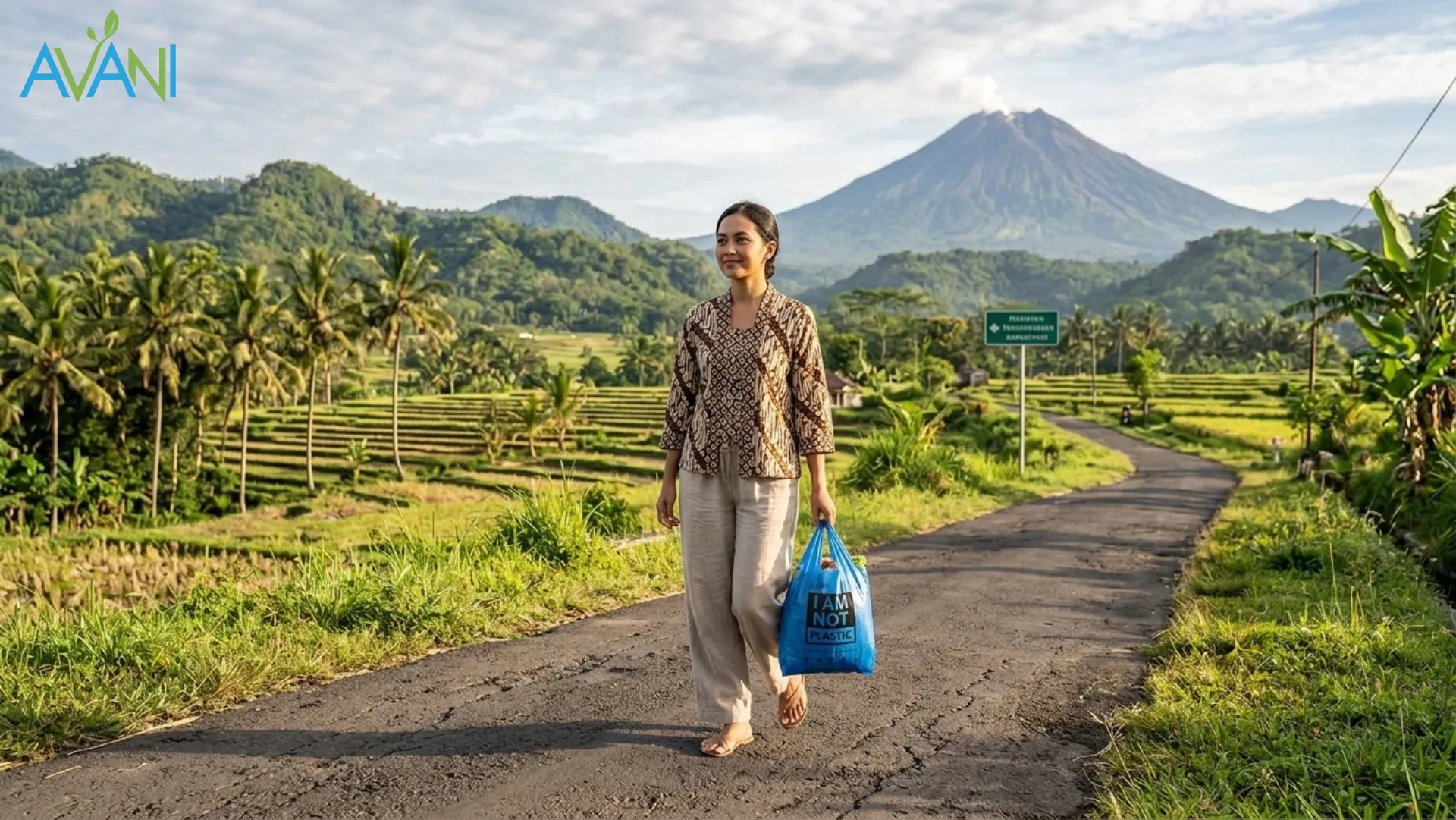
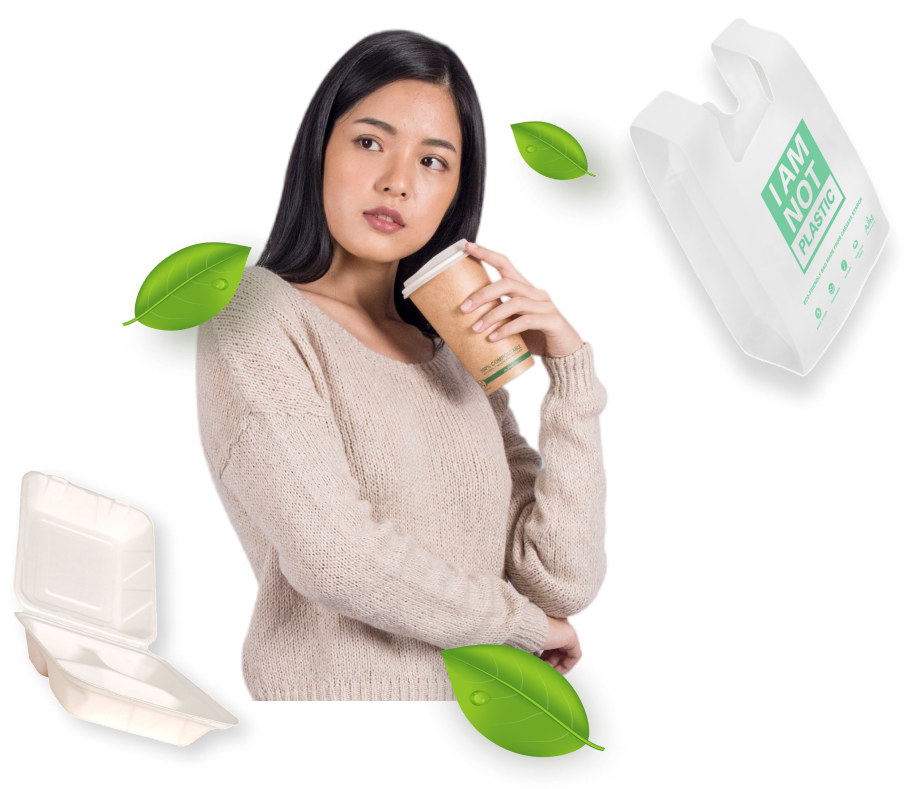
Avani Buddies, as awareness of environmental issues grows, Avani offers cassava-based products as an innovative alternative to conventional single-use plastics. Made from 100% bio-based materials, these products utilize industrial-grade cassava starch, derivative of vegetable oil, and other natural materials.
Avani cassava bags products are biodegradable and compostable within months, while also being food safe for applications that require direct contact with food. Avani can customize the products according to your needs and MOQ.
From garbage bags and grip-hole bags to polybags, polymailers, and T-shirt bags, Avani offers various cassava-based product options. These products are available in white, plain, and a variety of colors, making them suitable for a wide range of applications and branding needs.
Selecting Avani entails making a sensible move to lessen dependency on conventional plastics while incorporating more bio-based materials into everyday use.
Q&A
Q: What are cassava bags?
A: These flexible bags use bioplastic formulations made wholly or partly with cassava-derived starch as a renewable feedstock.
Q: Are these product biodegradable?
A: Biodegradability depends on the finished polymer formulation and environmental conditions, so reliable claims should be supported by testing or certification.